BPC-157
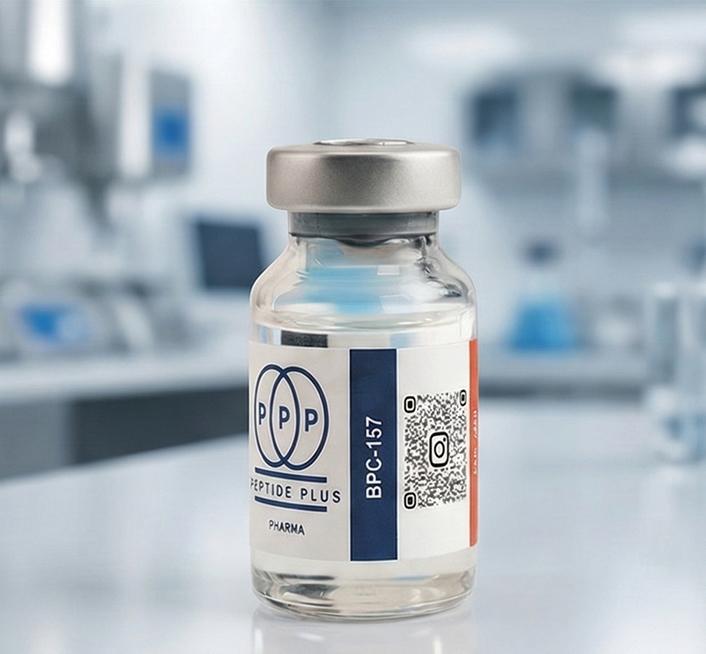
BPC-157 (Body Protection Compound-157) is a synthetic peptide consisting of 15 amino acids derived from a protective protein found in human gastric juice.

BPC-157
BPC-157 (Body Protection Compound-157) is a synthetic peptide consisting of 15 amino acids derived from a protective protein found in human gastric juice.
Key Aspects of BPC-157:
Potential Benefits
Preclinical studies suggest accelerated healing of wounds, tendon-to-bone injuries, bone defects, and inflammatory bowel disease.
Mechanism of Action
BPC-157 works by interacting with the body's growth factors promoting angiogenesis, and enhancing fibroblast activity.
Forms and Administration
It is commonly available in injectable (often subcutaneous or intramuscular) and oral (capsule) forms.
Side Effects and Safety
Supports the formation of new blood vessels, an essential process for nutrient delivery and localized circulation.
Important Considerations
The World Anti-Doping Agency has previously flagged it, and it is not approved for medical treatment.
Angiogenesis
The peptide promotes the formation of new blood vessels, which increases blood flow to injured areas, facilitating faster recovery.
Frequently Asked Questions
What is BPC-157?
BPC-157 is a synthetic peptide derived from a natural protein in the human stomach, known for its potential healing and regenerative effects.
How does BPC-157 work?
It may help repair tendons, ligaments, muscles, and gut tissue, while reducing inflammation and supporting faster recovery from injuries.
How is BPC-157 administered?
BPC-157 can be taken orally or via subcutaneous injection, depending on the targeted area and condition.
What is the correct dosage?
There is no officially approved human dosage. Always consult a healthcare professional before use.
Are there any side effects?
Side effects are rare and generally mild, but long-term safety in humans has not been fully studied.
Is BPC-157 legal?
The World Anti-Doping Agency has previously flagged it, and it is not approved for medical treatment.
Can BPC-157 help with gut health?
Studies suggest it may support healing of ulcers and gastrointestinal injuries.
How should BPC-157 be stored?
Keep it refrigerated after reconstitution and protect it from light to maintain stability.
How does BPC-157 compare to other peptides?
BPC-157 is often used for targeted tendon and ligament repair, while peptides like TB-500 are more systemic for tissue repair.
Who should use BPC-157?
It should only be used under medical supervision, especially by pregnant or breastfeeding individuals or those with health conditions.
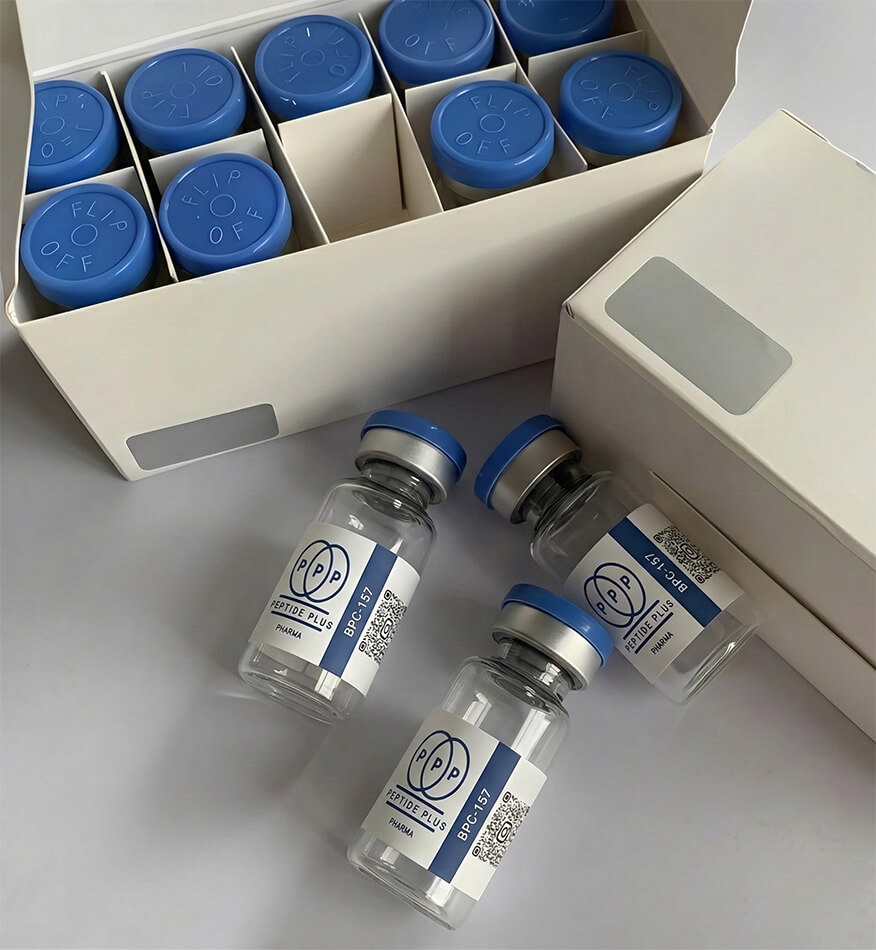
BPC-157 (Body Protection Compound-157)
BPC-157 works through several interconnected biological pathways that promote healing and tissue repair. Intuitively, the peptide acts analogous to a chemical messenger activating various repair mechanisms in the body.
Blood vessels function as the transportation network that delivers oxygen, nutrients, and repair materials to damaged tissues. Without adequate blood supply, injured tissues cannot heal properly.
- Supports natural tissue repair and recovery
- Promotes faster muscle and ligament healing
- Promotes faster muscle and ligament healing
- Encourages balanced inflammatory response
- Supports overall joint and mobility health
- Assists gut lining and digestive support
Clinical Studies
1. Human Clinical Studies / Trials
These are the few studies involving human subjects.
Phase I Safety Trial
Lee E. et al., 2025 – “Safety of Intravenous Infusion of BPC157 in Humans.”
- Design: Pilot safety study
- Subjects: 2 healthy adults
- Intervention: IV infusion up to 20 mg BPC-157
- Result: No adverse effects reported; well tolerated.
- Limitation: extremely small sample size.
Phase I Pharmacokinetics Study
ClinicalTrials.gov – NCT02637284
- Design: Pilot safety study
- Subjects: 2 healthy adults
- Intervention: IV infusion up to 20 mg BPC-157
- Result: No adverse effects reported; well tolerated.
- Limitation: extremely small sample size.
Small Human Case Series (Orthopedic Pain)
- Reported in orthopedic reviews.
- 12 patients with chronic knee pain received BPC-157 injections.
- 7/12 reported relief lasting >6 months.
- Limitations: no control group, small sample size.
Early Ulcerative Colitis Trials
- Conducted by PLIVA (Croatia) in the early 2000s.
- Investigated BPC-157 enemas for ulcerative colitis.
- Reported positive outcomes but full methodology/data were limited or not widely published.
2. Major Preclinical (Animal / Cellular) Studies
These represent the majority of the scientific literature.
Tendon Healing Mechanism
- Chang CH et al., 2014 – Pentadecapeptide BPC-157 Enhances Growth Hormone Receptor Expression in Tendon Fibroblasts
- Demonstrated upregulation of growth hormone receptor genes in tendon cells, suggesting a regenerative mechanism.
Muscle Healing Studies
- Pevec D et al., 2010 – BPC-157 Improves Muscle Healing Despite Corticosteroid Treatment.
- Demonstrated protective effects on muscle regeneration.
Angiogenesis and Tissue Repair
- Seiwerth S et al., 2018 – BPC-157 and Angiogenic Growth Factors.
- Showed enhanced angiogenesis and healing of ligaments, tendons, and bone in animal models.
3. Major Review Papers
2025 Review
- McGuire FP et al., 2025 – “Regeneration or Risk? A Narrative Review of BPC-157.”
- Conclusion: strong preclinical evidence but minimal human clinical data.
2025 Orthopedic Review
- Vasireddi N et al., 2025 – “Emerging Use of BPC-157 in Orthopaedic Sports Medicine.”
- Analyzed 36 studies (1993-2024); most positive results were animal models.
4. Key Scientific Takeaways
From the literature overall:
- BPC-157 is a 15-amino-acid peptide derived from gastric juice.
- Strong evidence exists for:
- tendon healing
- angiogenesis
- anti-inflammatory effects
- GI mucosal repair
- Human clinical evidence remains extremely limited, and most medical reviews classify it as investigational.
Our Customers Reviews

After struggling with a minor tendon issue for months, my recovery felt extremely slow. Within weeks, I noticed better mobility and less discomfort during daily activities and workouts.
Michael Johnson
My training routine was being affected by constant muscle soreness and stiffness. After incorporating this into my recovery plan, I experienced smoother recovery between sessions and improved flexibility.
Daniel Thompson
Recovery has always been the toughest part of my fitness journey. With consistent use, I felt better muscle support and reduced downtime after intense workouts. It helped me stay consistent with my goals.